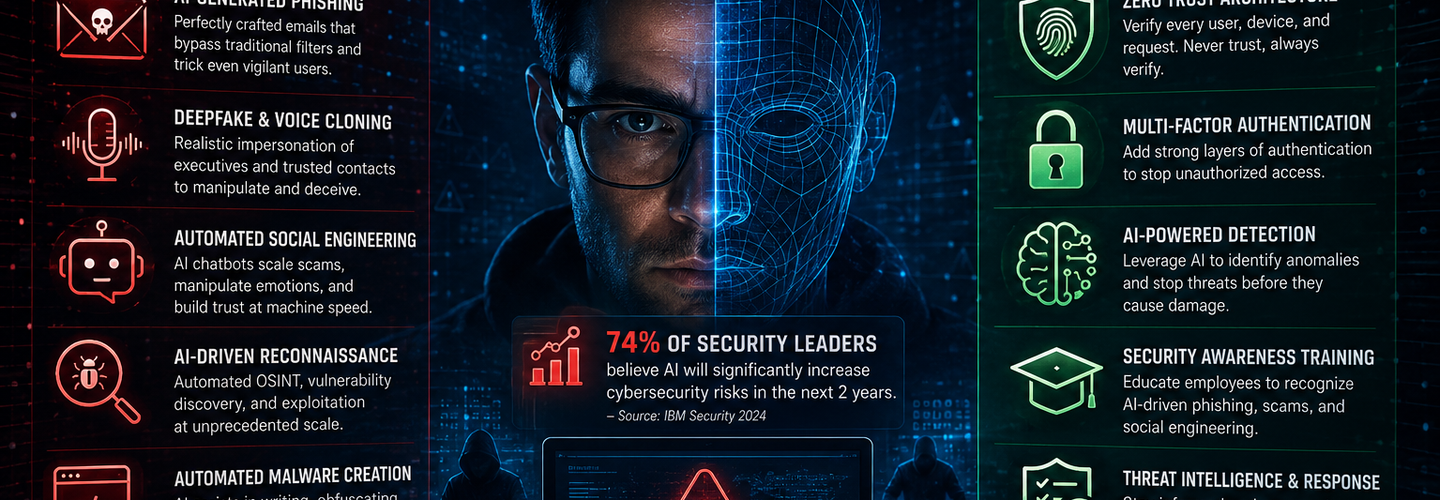
AI-Powered Cyber Threats Are Escalating Faster Than Enterprise Defenses Can Adapt
Artificial intelligence has become one of the defining technologies of the modern enterprise. It powers customer support systems, automates business workflows, accelerates software development, and helps security teams identify threats at machine speed. But the same technology reshaping productivity is also becoming a force multiplier for cybercriminals.
Across the cybersecurity industry, analysts are warning that AI-assisted attacks are no longer theoretical risks. Security teams are now facing increasingly sophisticated phishing campaigns, AI-generated impersonation scams, automated vulnerability discovery, and social engineering operations that are far more convincing than those seen even a year ago.
The challenge for enterprises is not simply that attacks are increasing in volume. It is that the barrier to entry for cybercrime is shrinking rapidly. Threat actors who previously lacked technical expertise can now leverage AI tools to scale malicious campaigns with unprecedented efficiency.
From financial institutions and healthcare providers to government agencies and technology firms, organizations are entering a period where traditional cybersecurity models may no longer be enough.
## The Growing Role of AI in Modern Cyber Threats
Cybersecurity researchers have observed a sharp rise in AI-assisted threat activity throughout 2025 and into 2026. Industry reports from major security vendors including Microsoft Security, CrowdStrike, and Palo Alto Networks Unit 42 suggest attackers are increasingly using generative AI to improve the realism and scalability of cyber operations.
One of the most visible changes has been the evolution of phishing attacks.
Traditional phishing emails were often easy to detect because of grammatical mistakes, awkward formatting, or suspicious wording. AI-generated content has changed that dynamic dramatically. Modern phishing messages can now mimic executive communication styles, local languages, and corporate branding with remarkable accuracy.
Security analysts say this has contributed to higher engagement rates in phishing campaigns targeting employees, contractors, and third-party vendors.
Deepfake technology has also become a growing concern. Several organizations worldwide have reported incidents involving AI-generated voice cloning and synthetic video impersonation designed to manipulate employees into transferring funds or disclosing sensitive information.
In some reported cases, finance teams believed they were communicating with legitimate executives during video conferences, only to later discover the interaction had been artificially generated.
## Automated Threat Development Is Changing the Cybercrime Economy
Cybercriminal groups are increasingly treating AI as an operational tool rather than an experimental technology.
Threat intelligence experts note that AI can help automate repetitive tasks commonly associated with cybercrime operations, including:
- ▸Drafting convincing scam communications
- ▸Translating phishing content into multiple languages
- ▸Generating fake customer support responses
- ▸Creating fraudulent websites and branding assets
- ▸Conducting large-scale reconnaissance on public data
While AI does not eliminate the need for human attackers, it significantly reduces the time and cost required to launch campaigns.
This shift is particularly concerning for small and medium-sized businesses, many of which lack mature security programs or dedicated threat detection teams.
Researchers from IBM Security X-Force recently warned that AI-enabled automation could accelerate cybercriminal operations to levels that overwhelm traditional incident response workflows. Analysts believe organizations may soon face attacks that evolve dynamically based on defensive measures encountered during an intrusion attempt.
Although cybersecurity vendors are also deploying AI-powered defense systems, experts caution that attackers often benefit from asymmetry. A single successful phishing attempt can still lead to credential theft, ransomware deployment, or business email compromise.
## Enterprise Security Teams Are Under Pressure
Security operations centers are facing mounting operational strain as AI-generated threats increase alert volumes and reduce confidence in traditional detection methods.
Many legacy security tools were designed to identify known indicators of compromise or previously observed attack patterns. AI-assisted campaigns, however, can rapidly alter language, structure, domains, and behavioral signatures, making static detection models less effective.
The result is growing concern around “alert fatigue” within enterprise security teams.
According to industry surveys published by organizations including ISC2 and SANS Institute, cybersecurity workforce shortages continue to affect organizations globally. The combination of understaffed security teams and increasingly sophisticated AI-driven threats creates a difficult operating environment for defenders.
Security leaders are now prioritizing:
- ▸Behavioral analytics
- ▸Zero trust architecture
- ▸Identity protection
- ▸Multi-factor authentication
- ▸AI-assisted threat detection
- ▸Security awareness training
- ▸Vendor risk management
However, implementation challenges remain significant, particularly for organizations with aging infrastructure or fragmented security environments.
## Critical Infrastructure Faces Elevated Risk
Government agencies and critical infrastructure operators are paying close attention to the potential impact of AI-enabled cyber operations.
Industries including energy, telecommunications, transportation, healthcare, and finance rely heavily on interconnected digital systems. Disruption in any of these sectors can have cascading economic and public safety consequences.
Cybersecurity authorities including CISA and ENISA have repeatedly warned organizations about the increasing sophistication of social engineering campaigns targeting operational environments.
Healthcare systems remain particularly vulnerable due to the combination of sensitive patient data, legacy medical devices, and operational urgency. Attackers frequently exploit these conditions to pressure victims during ransomware incidents.
Financial institutions are also facing elevated fraud risks associated with synthetic identities and AI-generated impersonation attempts. Fraud prevention teams are now investing heavily in biometric verification and behavioral anomaly detection to counter evolving scams.
## Why This Matters
The rise of AI-powered cyber threats represents more than another phase in the cybersecurity arms race. It reflects a structural change in how digital attacks are developed, personalized, and deployed.
Historically, sophisticated cyber operations required significant technical expertise, resources, and coordination. AI tools are lowering those barriers at a rapid pace.
This democratization of cyber capability could lead to:
- ▸Increased cybercrime activity
- ▸Faster attack cycles
- ▸More convincing fraud attempts
- ▸Higher operational costs for defenders
- ▸Greater pressure on cyber insurance markets
- ▸Expanded risks for consumers and enterprises alike
For businesses, the implications extend beyond technical security concerns. Brand reputation, regulatory compliance, operational continuity, and customer trust are all at stake.
Organizations that underestimate the pace of AI-driven threat evolution may struggle to respond effectively as attacks become more adaptive and difficult to detect.
## Security Vendors Are Racing to Respond
Major cybersecurity companies are rapidly integrating artificial intelligence into their own defensive platforms.
Solutions focused on automated threat hunting, anomaly detection, endpoint monitoring, and incident triage are becoming increasingly common across the enterprise security market.
Companies such as SentinelOne, Cisco Security, and Google Cloud Security are investing heavily in AI-enhanced security analytics aimed at reducing detection times and improving incident response efficiency.
At the same time, governments worldwide are beginning to examine the regulatory implications of AI-enabled cyber threats.
Policymakers are debating issues related to:
- ▸AI governance
- ▸Synthetic media labeling
- ▸Digital identity verification
- ▸Data protection
- ▸Cross-border cybercrime enforcement
- ▸Responsible AI deployment standards
Industry experts say collaboration between governments, technology providers, and private enterprises will become increasingly important as AI capabilities continue to evolve.
## How Users Can Stay Safe
Although AI-driven cyber threats are becoming more sophisticated, individuals and organizations can still reduce their exposure significantly through proactive security practices.
Strengthen Authentication
Use strong, unique passwords combined with multi-factor authentication wherever possible. MFA remains one of the most effective defenses against credential theft.
Verify Sensitive Requests
Employees should independently verify urgent payment requests, account changes, or confidential data requests through trusted communication channels.
Train Staff Regularly
Security awareness training should include education on AI-generated phishing emails, deepfake scams, and impersonation attempts.
Monitor for Brand Abuse
Organizations should actively monitor for fake domains, impersonation websites, and fraudulent social media accounts targeting customers or employees.
Keep Systems Updated
Regular patch management remains essential. Vulnerabilities in outdated systems continue to provide entry points for attackers.
Limit Excessive Access
Adopt least-privilege access models and review permissions regularly to reduce the impact of compromised accounts.
Deploy Advanced Threat Detection
Behavior-based security monitoring and anomaly detection tools can help identify suspicious activity that traditional signature-based systems may miss.
Build an Incident Response Plan
Organizations should maintain tested incident response procedures that include communication protocols, backup strategies, and recovery workflows.
## Official Responses and Industry Advisories
Several cybersecurity and government organizations have issued warnings about the misuse of artificial intelligence in cyber operations.
The Federal Bureau of Investigation (FBI) has warned businesses about AI-generated voice scams and impersonation fraud targeting executives and financial personnel.
Similarly, Europol has highlighted the role of generative AI in enabling cyber-enabled fraud, disinformation campaigns, and identity manipulation.
Security agencies continue to encourage organizations to adopt layered security controls, strengthen identity verification processes, and improve employee awareness around social engineering threats.
Industry groups are also emphasizing the importance of information sharing between public and private sectors to improve collective cyber resilience.
## Sources & References
- ▸CISA Alerts & Advisories
- ▸Microsoft Security Research
- ▸CrowdStrike Threat Intelligence
- ▸IBM X-Force Threat Intelligence
- ▸ENISA Threat Landscape Reports
- ▸SANS Institute Research
- ▸ISC2 Cybersecurity Workforce Study
- ▸Europol Cybercrime Centre
## Conclusion
Artificial intelligence is redefining both sides of the cybersecurity battlefield. While defenders are leveraging AI to improve visibility and automate detection, threat actors are using the same technology to increase the scale, realism, and effectiveness of cyber operations.
The next phase of cybersecurity will likely depend on how quickly organizations adapt their defenses to this rapidly changing environment.
For enterprises, resilience will require more than deploying new tools. It will demand continuous employee education, stronger identity controls, improved threat intelligence sharing, and a proactive security culture capable of responding to threats that evolve at machine speed.
As AI capabilities continue to mature, cybersecurity preparedness may become one of the most important business differentiators of the digital era.
Read More:
How Agentic AI Is Changing Software Engineering and Expanding Mobile Attack Surfaces
UK Says AI-Fueled Cyber Risks Are Tied to Security Weaknesses Rather Than Repository Transparency
Everpure strengthens cyber resilience by positioning data management as the final layer of defence
Gremlin Stealer Conceals C2 URLs and Exfiltration Paths in Encrypted Resource Sections
Copy Fail (CVE-2026-31431): The Linux Kernel Flaw That Handed Root to Anyone Who Asked
Malicious VS Code Extension Linked to Unauthorized Access of GitHub Internal Repositories
## Analyst Commentary & Implementation Blueprint
Security advisory
Continuous security exposure assessment is critical to identifying public vulnerabilities before they are exploited. Organizations should maintain a passive inventory of all web servers, TLS configs, and open ports, ensuring that default configurations are eliminated and security advisories are actively implemented.
Hardened Security Configuration Blueprint
# General Security Hardening Directive
ServerTokens ProductOnly
ServerSignature Off
FileETag None
Actionable Mitigation Checklist
- ✔Perform passive asset inventories weekly.
- ✔Restrict administrative ports using local firewall controls.
- ✔Monitor active CVE alerts for exposed software.
Common Inquiries & FAQs
Why is passive scanning preferred for continuous auditing?
Passive audits do not cause operational impact or trigger firewall blocks, making them ideal for constant surveillance of internet-facing assets.
What should I do if a vulnerability is flagged?
Apply the latest vendor patches, restrict access to the resource via firewalls, or verify configuration flags to mitigate risks.
Surendra Reddy
Surendra Reddy is a cybersecurity researcher and founder of ReconShield, specializing in OSINT and defensive infrastructure analysis.
Connect on LinkedIn ↗// AUDIT BRIEFING DISCUSSION (2 COMMENTS)
Great breakdown of the passive infrastructure vectors. We recently audited our external DNS zones and found multiple dangling staging environments. Implementing wildcard certificates reduced our CT log leaks significantly.
Is there any automated tooling you recommend for daily crt.sh scraping? Manually checking CT logs is becoming unsustainable for our domain portfolio.
// MORE ARTICLES
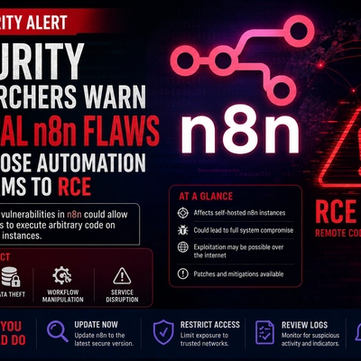
Security Researchers Warn Critical n8n Flaws May Expose Automation Platforms to RCE
Researchers have disclosed critical vulnerabilities in n8n that could expose automation workflows and connected enterprise systems to remote code execution risks, prompting urgent patch recommendations for users and administrators.
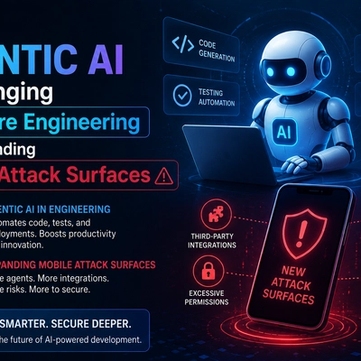
How Agentic AI Is Changing Software Engineering and Expanding Mobile Attack Surfaces
Agentic AI is rapidly transforming software engineering workflows through automation and intelligent coding assistance, while cybersecurity experts warn of expanding mobile attack surfaces and emerging application security risks.

SplitVPN Hacked: Data Breach Exposes 865,000 User Records and 58 Million Hidden Connection Logs (July 2026)
SplitVPN hacked: 865,336 user records and 58 million connection logs exposed, directly contradicting the VPN's "no-logs" promise. What was leaked and what to do now.