
New WordPress Plugin Vulnerability Raises Risk of Unauthorized Website Access
WordPress administrators are once again being urged to review their website security posture after researchers disclosed a serious vulnerability affecting a widely used plugin ecosystem. The flaw, which security experts say could expose websites to unauthorized access risks under certain conditions, has intensified concerns about plugin security across the broader WordPress landscape.
The issue arrives at a time when cybercriminal activity targeting content management systems continues to increase globally. WordPress, which powers a substantial portion of the modern web, remains a frequent focus for attackers because of its widespread adoption, extensive plugin ecosystem, and varying security practices among site operators.
Although the vulnerability’s technical details are being responsibly managed to reduce abuse risks, cybersecurity analysts warn that website owners should treat plugin-related security advisories with urgency. Delayed patching, outdated software, and weak authentication controls continue to be among the most common factors contributing to website compromises.
Researchers say the latest disclosure serves as another reminder that third-party extensions can significantly expand the attack surface of websites, particularly when plugins handle authentication, user permissions, or administrative workflows.
## Growing Security Pressure on the WordPress Ecosystem
WordPress powers millions of websites globally, including business portals, media outlets, e-commerce stores, educational platforms, and government-related services. Its flexibility and extensive plugin marketplace have helped drive adoption, but they have also created persistent cybersecurity challenges.
Security firms tracking web-based threats report that plugin vulnerabilities remain one of the leading causes of WordPress-related incidents. In many cases, attackers actively scan the internet for unpatched installations shortly after public vulnerability disclosures emerge.
The latest vulnerability reportedly affects authentication-related functionality, increasing the possibility of unauthorized access if vulnerable configurations remain exposed.
While there is currently no confirmed evidence of widespread exploitation tied specifically to this issue, analysts warn that public disclosure often accelerates threat activity as cybercriminal groups monitor newly released advisories.
According to industry estimates, WordPress supports more than 40% of websites worldwide, making even isolated plugin vulnerabilities operationally significant.
Security experts note that many organizations continue relying on outdated plugins because of compatibility concerns, operational dependencies, or limited maintenance resources. This delay in patch adoption frequently creates extended exposure windows.
## Threat Overview
The vulnerability has sparked concern primarily because authentication-related weaknesses can potentially affect core website trust mechanisms.
Authentication systems help determine who can access sensitive administrative functions, user dashboards, account management systems, and restricted content areas. When weaknesses emerge in these mechanisms, the resulting risks may include unauthorized access, privilege misuse, or account compromise scenarios.
Researchers analyzing the broader WordPress threat landscape say plugin-related vulnerabilities typically become especially dangerous when they intersect with:
- ▸Weak administrator passwords
- ▸Reused credentials
- ▸Outdated WordPress core installations
- ▸Unpatched themes or extensions
- ▸Misconfigured hosting environments
- ▸Insecure API integrations
- ▸Excessive user permissions
Security analysts emphasize that plugins handling login workflows, identity management, or session validation require especially close scrutiny because they interact directly with sensitive website operations.
In recent years, threat intelligence reports have repeatedly shown that cybercriminal groups often prioritize automated scanning for vulnerable plugins due to the scale and efficiency such attacks can achieve.
## Technical Impact Analysis
Although responsible disclosure practices limit the release of highly sensitive exploitation details, cybersecurity professionals have outlined several potential risk categories associated with authentication-related plugin vulnerabilities.
Unauthorized Administrative Access
The most immediate concern involves the possibility of unauthorized users gaining elevated website privileges under specific circumstances.
Administrative access can expose sensitive backend systems, content management functions, customer information, and website configurations.
For organizations operating e-commerce platforms or customer-facing services, such incidents may carry financial, operational, and reputational consequences.
Website Defacement and Content Manipulation
Compromised administrative access may allow unauthorized changes to website content, branding, or published information.
Media organizations, businesses, and public institutions are particularly vulnerable to reputational damage if attackers alter publicly visible content.
SEO and Reputation Abuse
Cybersecurity researchers frequently observe compromised WordPress websites being repurposed for malicious SEO campaigns, spam distribution, or fraudulent redirects.
Such abuse can negatively impact:
- ▸Search engine rankings
- ▸Customer trust
- ▸Domain reputation
- ▸Advertising eligibility
- ▸Website traffic performance
Security experts warn that recovering from SEO-related compromise often requires extensive cleanup efforts.
Data Exposure Risks
If vulnerable plugins interact with user databases, customer portals, or administrative records, unauthorized access incidents could potentially expose sensitive information.
Depending on the website’s functionality, affected data may include:
- ▸User account details
- ▸Email addresses
- ▸Order histories
- ▸Customer records
- ▸Business communications
Organizations operating in regulated industries could also face compliance implications following data exposure events.
Operational Disruption
In some cases, website compromise incidents may interrupt business continuity by affecting customer access, transaction processing, or backend management operations.
For small businesses and independent publishers, prolonged outages can create immediate financial impact.
## Why Plugin Vulnerabilities Continue to Be a Major Problem
WordPress itself benefits from a mature security ecosystem and regular updates. However, the platform’s extensibility introduces additional risk layers through third-party plugins and themes.
Many plugins are developed by independent teams with varying levels of security expertise, maintenance capacity, and long-term support commitments.
Cybersecurity analysts say several recurring challenges contribute to ongoing plugin security issues:
Fragmented Update Adoption
A large percentage of website operators fail to install updates promptly.
Some delay updates due to concerns about:
- ▸Website compatibility
- ▸Downtime risks
- ▸Custom integrations
- ▸Operational disruptions
Unfortunately, delayed patching remains one of the primary drivers of successful website compromise incidents.
Excessive Plugin Usage
Security professionals frequently recommend minimizing plugin usage wherever possible.
Many WordPress websites rely on dozens of plugins simultaneously, increasing complexity and expanding the overall attack surface.
Abandoned or Unsupported Plugins
Plugins no longer actively maintained may continue operating on production websites despite unresolved vulnerabilities.
Threat actors often target outdated components because they are less likely to receive security fixes.
Shared Hosting Security Risks
Smaller websites hosted in shared environments may inherit additional exposure if neighboring websites on the same infrastructure become compromised.
This risk becomes particularly concerning for poorly segmented hosting environments.
## Industry Implications
The latest vulnerability disclosure highlights broader concerns surrounding website supply chain security and third-party software governance.
Modern websites increasingly depend on interconnected plugins, APIs, analytics tools, cloud services, and advertising platforms. Each additional integration introduces potential exposure points.
For businesses, website security incidents can extend far beyond technical disruption.
Potential impacts include:
- ▸Loss of customer trust
- ▸Search ranking penalties
- ▸Revenue interruptions
- ▸Regulatory scrutiny
- ▸Increased cyber insurance costs
- ▸Advertising restrictions
- ▸Brand reputation damage
The issue is especially relevant for organizations relying heavily on digital operations, including:
- ▸Online retailers
- ▸News publishers
- ▸Healthcare portals
- ▸Educational institutions
- ▸Financial service providers
- ▸Marketing agencies
Cybersecurity experts say website security should no longer be treated as a purely technical maintenance task. Increasingly, it represents a core business resilience issue.
## Why This Matters
Website compromise incidents are not isolated technical inconveniences. They can directly affect customer trust, operational continuity, and digital reputation.
The latest WordPress plugin vulnerability serves as a reminder that cyber risk often originates from overlooked dependencies rather than headline-grabbing malware campaigns.
For many organizations, websites function as:
- ▸Primary customer communication channels
- ▸Revenue platforms
- ▸Brand identity hubs
- ▸Data collection systems
- ▸Authentication gateways
Even temporary compromise incidents may create long-lasting consequences.
Additionally, attackers increasingly target smaller businesses and independent publishers because they often lack dedicated security teams or continuous monitoring capabilities.
As threat actors continue automating vulnerability discovery and exploitation workflows, rapid patch management becomes increasingly important.
## How Users Can Stay Safe
Cybersecurity professionals recommend several defensive measures to reduce WordPress-related security risks.
Update Plugins Promptly
Website administrators should regularly install updates for:
- ▸Plugins
- ▸Themes
- ▸WordPress core software
Security patches often address known vulnerabilities before widespread abuse occurs.
Remove Unused Plugins
Inactive or unnecessary plugins should be removed entirely rather than simply disabled.
Every installed component increases the attack surface.
Enable Multi-Factor Authentication
MFA adds an additional layer of protection for administrator accounts and helps reduce credential-related compromise risks.
Use Strong Administrative Passwords
Weak or reused passwords remain a major contributor to website compromise incidents.
Organizations should enforce strong password policies across all administrative accounts.
Limit User Permissions
Users should only receive the minimum permissions necessary for their roles.
Reducing privilege levels helps minimize damage if accounts become compromised.
Monitor Website Activity
Security monitoring tools can help identify suspicious login attempts, unauthorized changes, or abnormal traffic behavior.
Maintain Regular Backups
Secure offline or cloud backups improve recovery capabilities following compromise incidents or operational disruptions.
Review Plugin Reputation Carefully
Before installing plugins, administrators should evaluate:
- ▸Update frequency
- ▸Developer reputation
- ▸User reviews
- ▸Security history
- ▸Active support status
## Official Responses and Security Community Reaction
Security researchers and WordPress ecosystem professionals continue emphasizing responsible disclosure and coordinated patching efforts.
Plugin developers have reportedly worked to address identified issues through security updates and mitigation guidance.
Meanwhile, cybersecurity vendors monitoring web-based threats have encouraged organizations to:
- ▸Audit plugin inventories
- ▸Review authentication systems
- ▸Conduct vulnerability assessments
- ▸Strengthen administrative controls
- ▸Improve patch management procedures
Industry analysts also stress the importance of proactive website security governance rather than reactive incident response.
Website operators are increasingly expected to adopt layered security strategies that combine:
- ▸Preventive controls
- ▸Continuous monitoring
- ▸Backup resilience
- ▸Access management
- ▸Incident response readiness
## Sources & References
- ▸WordPress security advisories
- ▸Public vulnerability disclosures
- ▸Cybersecurity vendor threat intelligence reports
- ▸OWASP web application security guidance
- ▸WordPress plugin security best practices
- ▸Industry research on CMS-related cyber threats
- ▸Security community recommendations for patch management and website hardening
## Conclusion
The newly disclosed WordPress plugin vulnerability underscores a broader cybersecurity reality facing website operators worldwide: third-party software components remain one of the most persistent sources of digital risk.
As websites grow increasingly interconnected and feature-rich, maintaining strong security hygiene becomes more complex — but also more essential.
Cybersecurity experts continue urging organizations to prioritize proactive patch management, authentication security, and plugin governance as core operational practices rather than occasional maintenance tasks.
For WordPress administrators, the latest advisory serves as a timely reminder that even widely trusted plugins require continuous oversight. In an environment where automated threat activity continues to evolve, rapid response and layered defenses remain critical to protecting websites, customer trust, and long-term digital resilience.
Read More:
Security Researchers Warn Critical n8n Flaws May Expose Automation Platforms to RCE
Project Glasswing Evolves as Anthropic Enables Wider Sharing of Mythos Vulnerability Findings
IRDAI Orders Insurance Firms to Strengthen Defences Against AI-Powered Cyberattacks by May 22
Cybersecurity Analysts Examine Potential Risks Following Claude Mythos AI Developments
## Analyst Commentary & Implementation Blueprint
Security advisory
Continuous security exposure assessment is critical to identifying public vulnerabilities before they are exploited. Organizations should maintain a passive inventory of all web servers, TLS configs, and open ports, ensuring that default configurations are eliminated and security advisories are actively implemented.
Hardened Security Configuration Blueprint
# General Security Hardening Directive
ServerTokens ProductOnly
ServerSignature Off
FileETag None
Actionable Mitigation Checklist
- ✔Perform passive asset inventories weekly.
- ✔Restrict administrative ports using local firewall controls.
- ✔Monitor active CVE alerts for exposed software.
Common Inquiries & FAQs
Why is passive scanning preferred for continuous auditing?
Passive audits do not cause operational impact or trigger firewall blocks, making them ideal for constant surveillance of internet-facing assets.
What should I do if a vulnerability is flagged?
Apply the latest vendor patches, restrict access to the resource via firewalls, or verify configuration flags to mitigate risks.
Surendra Reddy
Surendra Reddy is a cybersecurity researcher and founder of ReconShield, specializing in OSINT and defensive infrastructure analysis.
Connect on LinkedIn ↗// AUDIT BRIEFING DISCUSSION (2 COMMENTS)
Great breakdown of the passive infrastructure vectors. We recently audited our external DNS zones and found multiple dangling staging environments. Implementing wildcard certificates reduced our CT log leaks significantly.
Is there any automated tooling you recommend for daily crt.sh scraping? Manually checking CT logs is becoming unsustainable for our domain portfolio.
// MORE ARTICLES
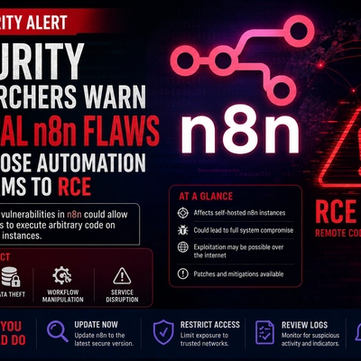
Security Researchers Warn Critical n8n Flaws May Expose Automation Platforms to RCE
Researchers have disclosed critical vulnerabilities in n8n that could expose automation workflows and connected enterprise systems to remote code execution risks, prompting urgent patch recommendations for users and administrators.

How Agentic AI Is Changing Software Engineering and Expanding Mobile Attack Surfaces
Agentic AI is rapidly transforming software engineering workflows through automation and intelligent coding assistance, while cybersecurity experts warn of expanding mobile attack surfaces and emerging application security risks.

Critical Tenda Router Backdoor (CVE-2026-11405): Check If Your Device Is Vulnerable Now
CVE-2026-11405 is an unpatched Tenda router backdoor granting full admin access without a password. Check if your model is affected now.