
Project Glasswing Evolves as Anthropic Enables Wider Sharing of Mythos Vulnerability Findings
Artificial intelligence company Anthropic is expanding the collaborative scope of its cybersecurity initiative, Project Glasswing, by allowing approved partners to share select vulnerability findings generated through its Mythos AI cybersecurity research environment with a broader set of defenders and organizations.
The move signals an important shift in how AI-assisted cyber threat intelligence may be coordinated across industry, government agencies, critical infrastructure operators, and security research communities. As organizations grapple with increasingly sophisticated digital threats, Anthropic’s updated approach reflects growing recognition that defensive collaboration must evolve alongside AI-driven risk.
Cybersecurity experts say the decision could improve early-warning capabilities for defenders while helping responsible disclosure efforts reach impacted vendors and infrastructure operators faster. At the same time, the announcement is reigniting industry debate around how advanced AI systems should be governed when they are capable of identifying serious software vulnerabilities at scale.
The changes come amid heightened global concern surrounding AI-enabled cyber operations, automated vulnerability discovery, and the rapid acceleration of offensive and defensive security research powered by large language models.
## A New Phase for Project Glasswing
Project Glasswing was introduced as a controlled cybersecurity collaboration initiative designed to study how advanced AI systems can assist with vulnerability research, cyber defense analysis, and security tooling under carefully monitored conditions.
Anthropic’s Mythos environment — developed for security-focused AI evaluation and controlled research — has attracted attention from cybersecurity professionals because of its potential to assist defenders in identifying weaknesses across modern digital infrastructure.
Under the updated policy framework, certain approved participants within the Glasswing ecosystem may now share validated cybersecurity findings with external stakeholders beyond the immediate research environment.
According to security analysts, this represents a meaningful operational shift.
Previously, AI-assisted findings generated through controlled research initiatives were often tightly restricted due to concerns surrounding misuse, premature disclosure, or unintended proliferation of sensitive vulnerability information.
By expanding coordinated sharing mechanisms, Anthropic appears to be balancing two competing priorities:
- ▸Responsible AI governance
- ▸Faster defensive threat intelligence distribution
Security leaders say the approach reflects broader industry recognition that cyber defense increasingly depends on collaboration across organizational boundaries.
“Threat actors already operate in highly collaborative ecosystems,” one infrastructure security researcher said following the announcement. “Defenders are now under pressure to share intelligence faster without compromising responsible disclosure practices.”
## Why AI-Assisted Vulnerability Discovery Is Gaining Attention
Artificial intelligence is rapidly changing the cybersecurity landscape.
Large language models and AI-assisted research systems are increasingly capable of helping analysts:
- ▸Identify insecure configurations
- ▸Analyze software dependencies
- ▸Detect anomalous behaviors
- ▸Review code patterns
- ▸Correlate vulnerability data
- ▸Accelerate defensive investigations
While these technologies can significantly improve defensive operations, they also raise concerns around dual-use risk.
Security researchers have repeatedly warned that advanced AI systems capable of identifying vulnerabilities could potentially accelerate exploitation timelines if safeguards fail or sensitive findings spread irresponsibly.
Anthropic has consistently positioned itself as an advocate for controlled AI safety development, particularly in areas involving cybersecurity, critical infrastructure, and national security implications.
The evolution of Project Glasswing suggests the company is attempting to establish a governance model where useful defensive intelligence can be distributed without enabling harmful misuse.
Cybersecurity analysts say the balance is delicate.
“If AI systems dramatically increase vulnerability discovery speed, defenders need equally fast coordination and remediation processes,” noted one threat intelligence specialist familiar with emerging AI governance discussions.
## Technical and Operational Implications
Although Anthropic has not publicly disclosed sensitive operational details surrounding Mythos workflows, industry experts say the implications could be significant for enterprise defenders.
Modern organizations manage sprawling digital ecosystems that include:
- ▸Cloud infrastructure
- ▸APIs
- ▸Containerized workloads
- ▸SaaS integrations
- ▸Edge services
- ▸Identity systems
- ▸AI-powered applications
Finding and validating security weaknesses across those environments is resource-intensive and often difficult for understaffed security teams.
AI-assisted analysis could potentially help reduce that burden by accelerating portions of vulnerability research and defensive triage.
Security professionals say carefully governed sharing programs may improve:
- ▸Coordinated vulnerability disclosure
- ▸Early threat detection
- ▸Cross-sector defensive awareness
- ▸Infrastructure resilience
- ▸Patch prioritization
- ▸Security validation workflows
However, experts caution that broader sharing also introduces new governance responsibilities.
Organizations participating in collaborative AI security ecosystems will likely require:
- ▸Strict access controls
- ▸Disclosure review processes
- ▸Legal coordination
- ▸Vendor communication channels
- ▸Human validation workflows
- ▸Risk classification procedures
Security teams emphasize that AI-generated findings should never bypass expert review before disclosure or remediation actions occur.
## Industry Implications
Anthropic’s decision arrives during a period of intense industry focus on AI governance and cybersecurity regulation.
Governments worldwide are increasingly examining how advanced AI systems may affect national cyber resilience, software supply chain security, and critical infrastructure protection.
The cybersecurity industry is also experiencing rapid change as AI tools become integrated into:
- ▸Threat intelligence platforms
- ▸Security operations centers
- ▸Vulnerability management systems
- ▸Digital forensics workflows
- ▸Incident response automation
- ▸Cloud security monitoring
Major technology companies, cloud providers, and cybersecurity vendors are investing heavily in AI-assisted defensive tooling.
At the same time, regulators and researchers are warning that AI systems capable of accelerating vulnerability discovery could reshape the economics of cyber conflict.
Project Glasswing’s expansion may therefore serve as an early model for future public-private cybersecurity coordination frameworks involving advanced AI systems.
Industry observers say the initiative reflects a growing realization that AI-driven cyber defense cannot operate in isolated silos.
Critical infrastructure sectors including healthcare, finance, telecommunications, transportation, and energy increasingly depend on shared threat intelligence ecosystems to respond effectively to emerging threats.
Faster collaboration could improve resilience — but only if governance standards remain strong.
## Why This Matters
Anthropic’s updated sharing policy matters because it highlights a broader transformation underway in cybersecurity.
AI systems are no longer limited to productivity enhancements or chatbot-style applications. They are increasingly participating in technical security workflows that influence vulnerability discovery, defensive prioritization, and infrastructure risk analysis.
That evolution carries major implications for defenders.
The speed at which vulnerabilities are identified — and shared — may soon become one of the defining factors shaping cyber resilience across industries.
Historically, security research coordination often moved slowly due to fragmented communication, legal uncertainty, and organizational silos.
AI-assisted analysis could compress those timelines significantly.
For defenders, that may improve response capabilities.
For the industry overall, however, it also raises important questions about:
- ▸Responsible disclosure standards
- ▸AI governance frameworks
- ▸Research transparency
- ▸Infrastructure protection
- ▸Dual-use safeguards
- ▸International cybersecurity coordination
The situation also underscores how AI safety discussions are increasingly intersecting with real-world operational cybersecurity concerns rather than remaining purely theoretical policy debates.
## How Organizations Can Stay Safe
Security experts recommend that enterprises prepare for a future where AI-assisted threat intelligence becomes increasingly common.
1. Strengthen Vulnerability Management Processes
Organizations should ensure they can rapidly evaluate and remediate newly disclosed vulnerabilities.
Faster intelligence-sharing ecosystems will place additional pressure on patch management maturity.
2. Improve Asset Visibility
Security teams must maintain accurate inventories of:
- ▸Internet-facing systems
- ▸Cloud services
- ▸APIs
- ▸Third-party integrations
- ▸AI-connected workflows
Unknown assets remain a major source of exposure during emerging threat events.
3. Participate in Trusted Threat Intelligence Communities
Collaboration is becoming increasingly important in modern cybersecurity defense.
Organizations should engage with trusted industry information-sharing groups, CERTs, ISACs, and vendor security programs where appropriate.
4. Validate AI-Assisted Findings Carefully
AI-generated security findings should always undergo human review before operational decisions are made.
Security experts caution against overreliance on automated outputs without expert validation.
5. Prepare for Faster Threat Cycles
AI-assisted discovery may accelerate the time between vulnerability identification and exploitation attempts.
Organizations should strengthen monitoring, incident response readiness, and emergency patching procedures accordingly.
## Official Responses
Anthropic has emphasized that Project Glasswing remains focused on responsible cybersecurity research and controlled collaboration.
The company continues advocating for strong safeguards around advanced AI deployment, particularly in high-risk domains involving cybersecurity and critical infrastructure.
Security researchers and policy experts have largely welcomed the broader emphasis on defensive collaboration, though many stress that governance transparency will remain essential as AI-assisted cyber research capabilities continue advancing.
Meanwhile, enterprise security teams are closely watching how similar collaborative AI-security initiatives evolve across the technology sector.
Industry analysts expect additional frameworks involving AI-assisted vulnerability analysis, coordinated disclosure, and cross-sector intelligence sharing to emerge over the next several years.
## Sources & References
- ▸Official statements from Anthropic regarding Project Glasswing
- ▸Public cybersecurity research on AI-assisted vulnerability analysis
- ▸Industry reporting on AI governance and cyber defense collaboration
- ▸Threat intelligence discussions involving coordinated disclosure frameworks
- ▸Enterprise cybersecurity guidance on vulnerability management and AI risk
## Conclusion
The expansion of Project Glasswing marks another important milestone in the convergence of artificial intelligence and cybersecurity defense.
By allowing broader sharing of validated Mythos cybersecurity findings, Anthropic is signaling that collaborative threat intelligence may become increasingly central to defending modern digital infrastructure.
The initiative also highlights the complex balance facing the cybersecurity industry as AI capabilities rapidly mature.
Defenders stand to benefit from faster research, improved visibility, and accelerated coordination. At the same time, organizations must ensure that governance frameworks, disclosure controls, and human oversight remain strong enough to prevent misuse.
As AI-assisted cybersecurity research continues evolving, the industry’s ability to coordinate responsibly may prove just as important as the underlying technology itself.
Read More:
Cybersecurity Agencies Warn Users Against New Digital Fraud Tactics
CISA Warns of Active Exploitation of Microsoft Exchange Server Spoofing Vulnerability
Critical NGINX Vulnerability Under Active Exploitation, Security Teams Urged to Patch Immediately
Security Researchers Warn Critical n8n Flaws May Expose Automation Platforms to RCE
## Analyst Commentary & Implementation Blueprint
Security advisory
Continuous security exposure assessment is critical to identifying public vulnerabilities before they are exploited. Organizations should maintain a passive inventory of all web servers, TLS configs, and open ports, ensuring that default configurations are eliminated and security advisories are actively implemented.
Hardened Security Configuration Blueprint
# General Security Hardening Directive
ServerTokens ProductOnly
ServerSignature Off
FileETag None
Actionable Mitigation Checklist
- ✔Perform passive asset inventories weekly.
- ✔Restrict administrative ports using local firewall controls.
- ✔Monitor active CVE alerts for exposed software.
Common Inquiries & FAQs
Why is passive scanning preferred for continuous auditing?
Passive audits do not cause operational impact or trigger firewall blocks, making them ideal for constant surveillance of internet-facing assets.
What should I do if a vulnerability is flagged?
Apply the latest vendor patches, restrict access to the resource via firewalls, or verify configuration flags to mitigate risks.
Surendra Reddy
Surendra Reddy is a cybersecurity researcher and founder of ReconShield, specializing in OSINT and defensive infrastructure analysis.
Connect on LinkedIn ↗// AUDIT BRIEFING DISCUSSION (2 COMMENTS)
Great breakdown of the passive infrastructure vectors. We recently audited our external DNS zones and found multiple dangling staging environments. Implementing wildcard certificates reduced our CT log leaks significantly.
Is there any automated tooling you recommend for daily crt.sh scraping? Manually checking CT logs is becoming unsustainable for our domain portfolio.
// MORE ARTICLES
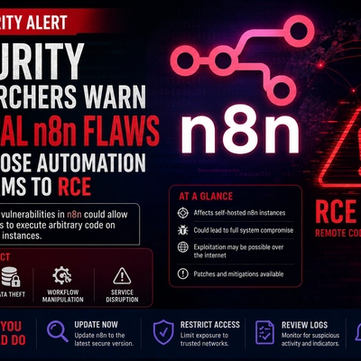
Security Researchers Warn Critical n8n Flaws May Expose Automation Platforms to RCE
Researchers have disclosed critical vulnerabilities in n8n that could expose automation workflows and connected enterprise systems to remote code execution risks, prompting urgent patch recommendations for users and administrators.
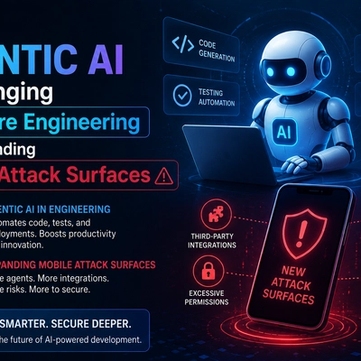
How Agentic AI Is Changing Software Engineering and Expanding Mobile Attack Surfaces
Agentic AI is rapidly transforming software engineering workflows through automation and intelligent coding assistance, while cybersecurity experts warn of expanding mobile attack surfaces and emerging application security risks.

Critical Tenda Router Backdoor (CVE-2026-11405): Check If Your Device Is Vulnerable Now
CVE-2026-11405 is an unpatched Tenda router backdoor granting full admin access without a password. Check if your model is affected now.