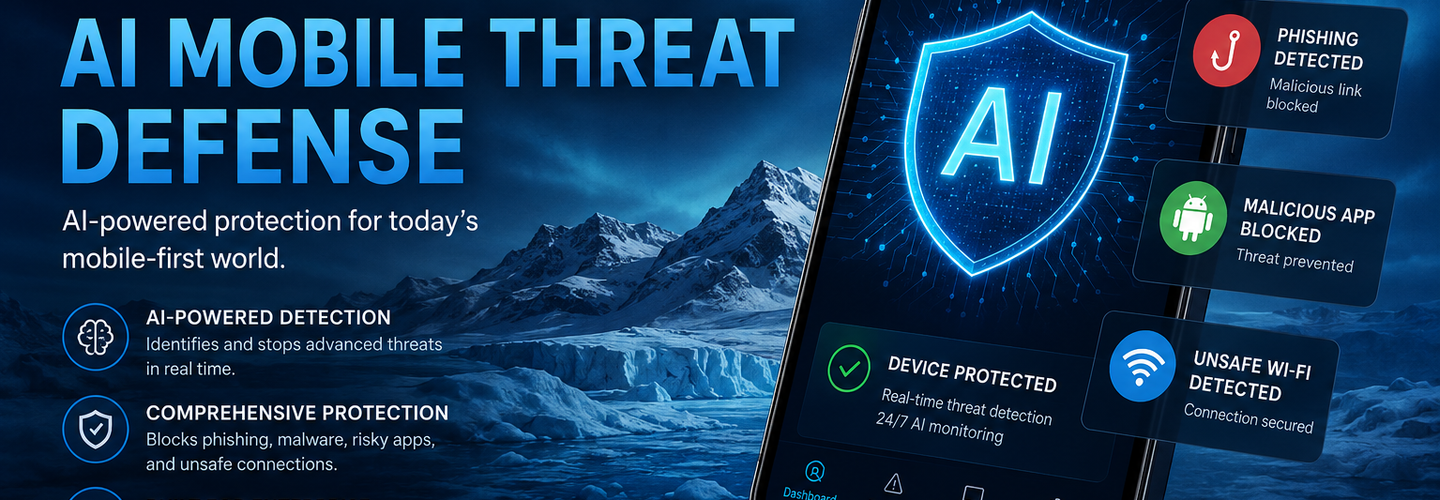
Arctic Wolf Launches AI Mobile Threat Defense
## KEY HIGHLIGHTS
- ▸Arctic Wolf introduced an AI-powered mobile threat defense solution for enterprise users.
- ▸The platform focuses on detecting phishing, malware, rogue apps, and risky mobile behavior.
- ▸Mobile devices are increasingly targeted because employees use them for business access and authentication.
- ▸AI-based analytics help identify threats faster than traditional signature-based systems.
- ▸The solution integrates with broader enterprise security and SOC workflows.
- ▸Mobile phishing attacks and malicious applications continue to rise globally in 2025.
- ▸Organizations adopting zero trust strategies are prioritizing mobile endpoint visibility.
## Introduction
Mobile devices have become a primary target for cybercriminals. Employees now access email, cloud applications, banking platforms, and corporate systems directly from smartphones.
According to recent industry reports, mobile phishing attacks increased by more than 50% globally during 2024. Attackers increasingly exploit weak mobile visibility and unsecured applications.
To address this growing challenge, Arctic Wolf AI Mobile Threat Defense aims to strengthen enterprise mobile security using artificial intelligence and real-time threat monitoring.
The launch reflects a larger industry shift toward AI-driven cybersecurity platforms that can respond to threats faster than traditional tools.
## What Is Arctic Wolf AI Mobile Threat Defense?
Arctic Wolf AI Mobile Threat Defense is a mobile-focused cybersecurity solution designed to detect and prevent threats targeting smartphones and tablets.
The platform uses behavioral analytics, AI-based detection, and cloud intelligence to identify suspicious mobile activity. This includes phishing links, malicious applications, unsafe Wi-Fi connections, and credential theft attempts.
Unlike traditional antivirus tools, modern mobile threat defense platforms monitor device behavior continuously. This allows security teams to identify risks before attackers gain access to sensitive data.
Arctic Wolf positions the product as part of its broader security operations ecosystem. The solution works alongside managed detection and response (MDR), endpoint protection, and threat intelligence services.
A major concern for enterprises is that mobile devices often bypass standard security monitoring. Employees may install unauthorized apps or connect through public networks without realizing the risk.
For example, a finance employee using a compromised mobile banking app could unintentionally expose authentication tokens. AI-driven monitoring can flag unusual behavior immediately.
Research from cybersecurity analysts shows that nearly 60% of organizations experienced at least one mobile-related security incident in the last year. Mobile security is no longer optional for enterprises handling sensitive data.
## Why Mobile Threat Defense Matters
The rise of remote work and hybrid environments has expanded the attack surface dramatically.
Attackers now target mobile devices because they often store authentication credentials, multi-factor authentication tokens, and business communications.
A successful compromise can give threat actors direct access to cloud accounts and internal systems.
AI cybersecurity tools are becoming essential because attackers increasingly automate phishing and malware campaigns. Traditional security systems struggle to keep pace with evolving attack methods.
One common attack involves SMS phishing, also known as smishing. Users receive fake delivery notices or banking alerts that redirect them to credential-harvesting websites.
In 2025, several organizations reported mobile credential theft incidents linked to fake Microsoft 365 login pages optimized for smartphones.
Another growing issue is malicious applications hidden in third-party app stores. Some apps silently collect user data, track keystrokes, or install spyware modules.
The financial impact is significant. IBM’s Cost of a Data Breach research found that compromised credentials remain one of the most expensive attack vectors globally.
Mobile devices also create compliance challenges. Industries like healthcare, finance, and government must protect sensitive information across all endpoints, including phones and tablets.
Without visibility into mobile risks, security teams may miss early indicators of compromise.
## How Arctic Wolf’s AI Mobile Threat Defense Works
The platform uses several layers of analysis to identify suspicious activity.
First, AI models analyze mobile behavior patterns. If a device suddenly connects to a risky domain or downloads a suspicious application, the system generates alerts.
Second, cloud-based intelligence compares device activity against known threat indicators. This improves detection speed and accuracy.
Third, the solution can identify phishing attempts in real time. Users may receive warnings before opening malicious links or entering credentials.
The system also evaluates network security. Unsafe public Wi-Fi networks are a common attack vector for man-in-the-middle attacks and credential interception.
A key strength of AI-powered threat detection is its ability to identify unknown threats through behavioral analysis instead of relying only on malware signatures.
For example, if an application suddenly requests excessive permissions or attempts background data transfers, the platform can classify it as risky even if the app is not yet widely known.
The solution reportedly integrates with enterprise SOC workflows, helping analysts correlate mobile threats with broader attack campaigns.
This matters because attackers rarely target one device alone. A compromised smartphone can become the entry point for lateral movement across enterprise environments.
Security experts increasingly recommend unified visibility across endpoints, cloud systems, and mobile devices.
## Best Practices to Reduce Mobile Cyber Risks
Organizations should combine technology with strong security policies.
The first step is implementing a zero trust approach for mobile access. Every device should be verified continuously before accessing corporate systems.
Companies should also enforce mobile device management (MDM) policies. These policies help control application installations, operating system updates, and access permissions.
Employees must be trained to recognize phishing attempts. Human error remains one of the largest cybersecurity risks.
Security teams should encourage staff to avoid downloading apps from unofficial sources. Third-party marketplaces often contain hidden malware.
Another critical measure is enabling multi-factor authentication on all business accounts.
Organizations should also monitor outdated devices. Unsupported operating systems may lack security patches, making them easier targets.
Recent studies show that patched mobile devices are significantly less likely to experience malware infections.
Real-world incidents highlight the importance of proactive defense. In several recent campaigns, attackers targeted executives through fake collaboration tool notifications sent to smartphones.
Once credentials were stolen, attackers accessed internal email systems and launched broader phishing operations.
Continuous mobile monitoring can reduce the likelihood of these attacks succeeding.
## Mobile Threat Trends
The mobile threat landscape is evolving rapidly.
Cybersecurity researchers reported major increases in mobile spyware, banking trojans, and AI-generated phishing campaigns during 2024.
Threat actors now use generative AI to create more convincing phishing messages and fake login pages optimized for mobile screens.
At the same time, bring-your-own-device (BYOD) environments continue expanding. Many organizations struggle to secure personal devices connected to corporate systems.
Industry forecasts predict that enterprise spending on enterprise mobile security solutions will continue rising through 2026.
Another trend involves attackers targeting mobile authentication applications. Compromising MFA-related apps can allow access to cloud platforms and corporate services.
Security analysts also warn about increasing attacks against mobile wallets and financial applications.
The demand for integrated detection platforms is growing because security teams want centralized visibility across endpoints, cloud services, and mobile environments.
Solutions like Arctic Wolf’s latest offering reflect this broader market direction.
## Conclusion
Mobile devices have become one of the most attractive targets for cybercriminals.
The launch of Arctic Wolf AI Mobile Threat Defense highlights how enterprises are shifting toward AI-driven security models to combat evolving threats.
With phishing campaigns, malicious apps, and credential theft attacks increasing, organizations need stronger visibility into mobile risks.
AI-powered detection, behavioral analytics, and integrated SOC monitoring can help reduce exposure and improve response times.
For businesses adopting remote work and cloud-first strategies, mobile security is now a critical part of overall cyber resilience.
FAQ SECTION
Q: What is Arctic Wolf AI Mobile Threat Defense?
A: Arctic Wolf AI Mobile Threat Defense is a cybersecurity solution designed to detect phishing, malware, risky applications, and suspicious mobile activity using artificial intelligence.
Q: Why are mobile devices a major cybersecurity target?
A: Mobile devices store credentials, business emails, and authentication tokens. Attackers target them because they often have weaker monitoring compared to traditional endpoints.
Q: How does AI improve mobile threat defense?
A: AI helps identify unusual device behavior, malicious applications, and phishing attempts faster than signature-based security systems. It can also detect previously unknown threats.
Q: What are common mobile security threats in 2025?
A: Common threats include smishing attacks, spyware, fake login pages, malicious applications, unsafe Wi-Fi connections, and credential theft campaigns.
Q: Who should use enterprise mobile threat defense solutions?
A: Businesses with remote employees, BYOD environments, or cloud-based operations should use mobile threat defense solutions to reduce cyber risk and improve endpoint visibility.
Read More:
PHP SOAP Vulnerabilities Enable Remote Code Execution
Google Reports North Korean Hackers Using AI to Target Cybersecurity Blind Spots
## Analyst Commentary & Implementation Blueprint
Security advisory
Continuous security exposure assessment is critical to identifying public vulnerabilities before they are exploited. Organizations should maintain a passive inventory of all web servers, TLS configs, and open ports, ensuring that default configurations are eliminated and security advisories are actively implemented.
Hardened Security Configuration Blueprint
# General Security Hardening Directive
ServerTokens ProductOnly
ServerSignature Off
FileETag None
Actionable Mitigation Checklist
- ✔Perform passive asset inventories weekly.
- ✔Restrict administrative ports using local firewall controls.
- ✔Monitor active CVE alerts for exposed software.
Common Inquiries & FAQs
Why is passive scanning preferred for continuous auditing?
Passive audits do not cause operational impact or trigger firewall blocks, making them ideal for constant surveillance of internet-facing assets.
What should I do if a vulnerability is flagged?
Apply the latest vendor patches, restrict access to the resource via firewalls, or verify configuration flags to mitigate risks.
Surendra Reddy
Surendra Reddy is a cybersecurity researcher and founder of ReconShield, specializing in OSINT and defensive infrastructure analysis.
Connect on LinkedIn ↗// AUDIT BRIEFING DISCUSSION (2 COMMENTS)
Great breakdown of the passive infrastructure vectors. We recently audited our external DNS zones and found multiple dangling staging environments. Implementing wildcard certificates reduced our CT log leaks significantly.
Is there any automated tooling you recommend for daily crt.sh scraping? Manually checking CT logs is becoming unsustainable for our domain portfolio.
// MORE ARTICLES
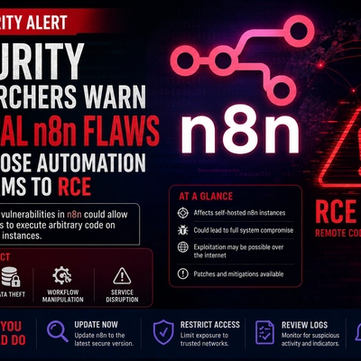
Security Researchers Warn Critical n8n Flaws May Expose Automation Platforms to RCE
Researchers have disclosed critical vulnerabilities in n8n that could expose automation workflows and connected enterprise systems to remote code execution risks, prompting urgent patch recommendations for users and administrators.
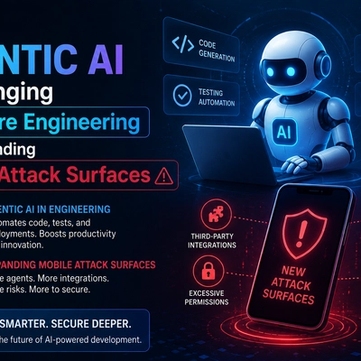
How Agentic AI Is Changing Software Engineering and Expanding Mobile Attack Surfaces
Agentic AI is rapidly transforming software engineering workflows through automation and intelligent coding assistance, while cybersecurity experts warn of expanding mobile attack surfaces and emerging application security risks.

Critical Tenda Router Backdoor (CVE-2026-11405): Check If Your Device Is Vulnerable Now
CVE-2026-11405 is an unpatched Tenda router backdoor granting full admin access without a password. Check if your model is affected now.