
APK Malware Hidden in Fake Wedding Invite Drains Bengaluru Man’s Bank Account
Cybercrime in India is evolving rapidly, and fraudsters are now using emotional and social engineering tactics to trap unsuspecting victims. In a shocking incident from Bengaluru, a man reportedly lost nearly ₹5 lakh after downloading a fake wedding invitation file sent through a messaging app. The cyber fraud case highlights the growing danger of malicious APK files, phishing attacks, and banking scams targeting smartphone users across India.
## How the Fake Wedding Invitation Scam Happened
According to reports, the victim, a Bengaluru resident, received what appeared to be a digital wedding invitation from an unknown number through WhatsApp. The message looked genuine and contained an APK file disguised as a wedding card application.
Believing it to be harmless, the victim downloaded and installed the file on his Android smartphone. Shortly after installation, cybercriminals gained unauthorized access to sensitive information stored on the device, including banking credentials, SMS OTPs, and personal data.
Within hours, multiple unauthorized transactions were carried out from the victim’s bank account, leading to a financial loss of approximately ₹5 lakh.
The incident has once again raised concerns about rising cyber fraud in India and the increasing use of malware-based scams.
## What Is an APK File Scam?
APK files are Android application package files used to install apps manually outside the Google Play Store. Cybercriminals often disguise malicious software as APK files and distribute them through:
- ▸WhatsApp messages
- ▸SMS links
- ▸Telegram channels
- ▸Fake emails
- ▸Social media messages
Once installed, these malicious applications can:
- ▸Steal banking credentials
- ▸Read SMS messages and OTPs
- ▸Access contacts and photos
- ▸Record keystrokes
- ▸Take control of the device remotely
Cybersecurity experts warn that users should never install APK files received from unknown sources.
## Why Cybercriminals Use Wedding Invitations
Fraudsters increasingly use emotional triggers and social situations to manipulate victims. Wedding invitations are particularly effective because people are naturally curious and less suspicious when receiving such messages.
Cybercriminals often use:
- ▸Fake wedding invitations
- ▸Festival greetings
- ▸Job offers
- ▸Delivery notifications
- ▸Government scheme alerts
- ▸Bank KYC update requests
These scams are designed to create urgency or emotional trust, increasing the chances that victims will click malicious links or install infected files.
## Rising Mobile Banking Fraud in India
India has witnessed a sharp increase in digital payment frauds due to the rapid growth of online banking and UPI transactions. Cybercriminals are constantly developing new tactics to bypass security systems and exploit user negligence.
Some common cyber fraud trends include:

1. Fake APK Malware
Malicious Android apps disguised as utility apps or invitations.
2. UPI Payment Scams
Fraudsters trick victims into approving payment requests.
3. Remote Access App Fraud
Scammers convince victims to install screen-sharing apps.
4. OTP Theft
Attackers intercept SMS OTPs to complete transactions.
5. Phishing Attacks
Fake websites mimic banks or government portals to steal credentials.
Cybersecurity agencies have repeatedly advised users to remain cautious while handling unknown files and suspicious messages.
## Warning Signs of a Fake Wedding Invitation Scam
Users should immediately become cautious if they notice the following red flags:
- ▸APK file attached instead of PDF or image
- ▸Unknown sender number
- ▸Poor grammar or suspicious language
- ▸Requests to install an app
- ▸Urgent instructions to open immediately
- ▸Links shortened using URL shorteners
Legitimate wedding invitations are usually shared as images, PDFs, or through trusted invitation platforms — not APK applications.
## How to Stay Safe from Cyber Fraud
Cybersecurity experts recommend following these safety measures to avoid becoming a victim of online scams:
Avoid Installing APK Files
Only download apps from trusted platforms like the Google Play Store or Apple App Store.
Verify Unknown Messages
Always confirm suspicious invitations or messages directly with the sender.
Enable Banking Alerts
Activate SMS and email alerts for all banking transactions.
Use Antivirus Protection
Install reputable mobile security software to detect malware.
Keep Your Phone Updated
Regular software updates patch security vulnerabilities.
Never Share OTPs
Banks never ask customers to share OTPs or passwords.
Disable Unknown Sources
Keep the “Install from Unknown Sources” option disabled on Android devices.
## Cybersecurity Experts Issue Warning
Cybersecurity professionals say APK-based malware attacks are becoming increasingly sophisticated. Fraudsters now design malicious apps to appear identical to genuine files, making detection difficult for average users.
Experts also warn that attackers can silently monitor infected devices and steal data without the victim noticing any suspicious activity.
As India continues its digital transformation, awareness and cyber hygiene are becoming more important than ever.
## What Victims Should Do Immediately
If someone accidentally installs a suspicious APK file or notices unauthorized bank activity, experts recommend taking immediate action:
Disconnect the device from the internet
Uninstall the suspicious application
Change banking passwords immediately
Contact the bank and freeze transactions
Report the fraud to the cybercrime helpline 1930
File a complaint on the National Cyber Crime Portal
Quick response can sometimes prevent additional financial losses.
## Conclusion
The Bengaluru fake wedding invitation scam is another reminder of how cybercriminals are exploiting trust and social interactions to steal money from unsuspecting users. As digital fraud techniques continue to evolve, awareness remains the strongest defense against cybercrime.
Users should avoid downloading APK files from unknown sources and remain cautious when receiving unexpected messages, even if they appear harmless or emotionally appealing.
Staying alert online can prevent devastating financial and personal losses.
Suggested Internal Links for ReconShield
## Analyst Commentary & Implementation Blueprint
Security advisory
Continuous security exposure assessment is critical to identifying public vulnerabilities before they are exploited. Organizations should maintain a passive inventory of all web servers, TLS configs, and open ports, ensuring that default configurations are eliminated and security advisories are actively implemented.
Hardened Security Configuration Blueprint
# General Security Hardening Directive
ServerTokens ProductOnly
ServerSignature Off
FileETag None
Actionable Mitigation Checklist
- ✔Perform passive asset inventories weekly.
- ✔Restrict administrative ports using local firewall controls.
- ✔Monitor active CVE alerts for exposed software.
Common Inquiries & FAQs
Why is passive scanning preferred for continuous auditing?
Passive audits do not cause operational impact or trigger firewall blocks, making them ideal for constant surveillance of internet-facing assets.
What should I do if a vulnerability is flagged?
Apply the latest vendor patches, restrict access to the resource via firewalls, or verify configuration flags to mitigate risks.
Surendra Reddy
Surendra Reddy is a cybersecurity researcher and founder of ReconShield, specializing in OSINT and defensive infrastructure analysis.
Connect on LinkedIn ↗// AUDIT BRIEFING DISCUSSION (2 COMMENTS)
Great breakdown of the passive infrastructure vectors. We recently audited our external DNS zones and found multiple dangling staging environments. Implementing wildcard certificates reduced our CT log leaks significantly.
Is there any automated tooling you recommend for daily crt.sh scraping? Manually checking CT logs is becoming unsustainable for our domain portfolio.
// MORE ARTICLES

₹250 Crore Cyber Scam Busted: Gujarat Police Arrest 19, Including MBA Student
Gujarat Police bust a ₹250 crore cyber fraud network, arresting 19 including an MBA student. Here's how the mule account scam worked.

Delhi Police Arrest 916 Suspects in Major Cyber Fraud Crackdown: A Comprehensive Breakdown of Operation CyHawk 5.0
Delhi Police arrest 916 suspects in a major cyber fraud crackdown. See how Operation CyHawk 5.0 worked, the scams uncovered, and how to protect yourself.
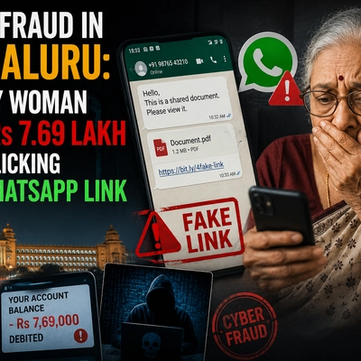
Cyber Fraud in Bengaluru: Elderly Woman Loses Rs 7.69 Lakh After Clicking Fake WhatsApp Link
An 86-year-old woman in Bengaluru lost Rs 7.69 lakh to cyber fraudsters after clicking a malicious WhatsApp link in a sophisticated online scam targeting senior citizens.